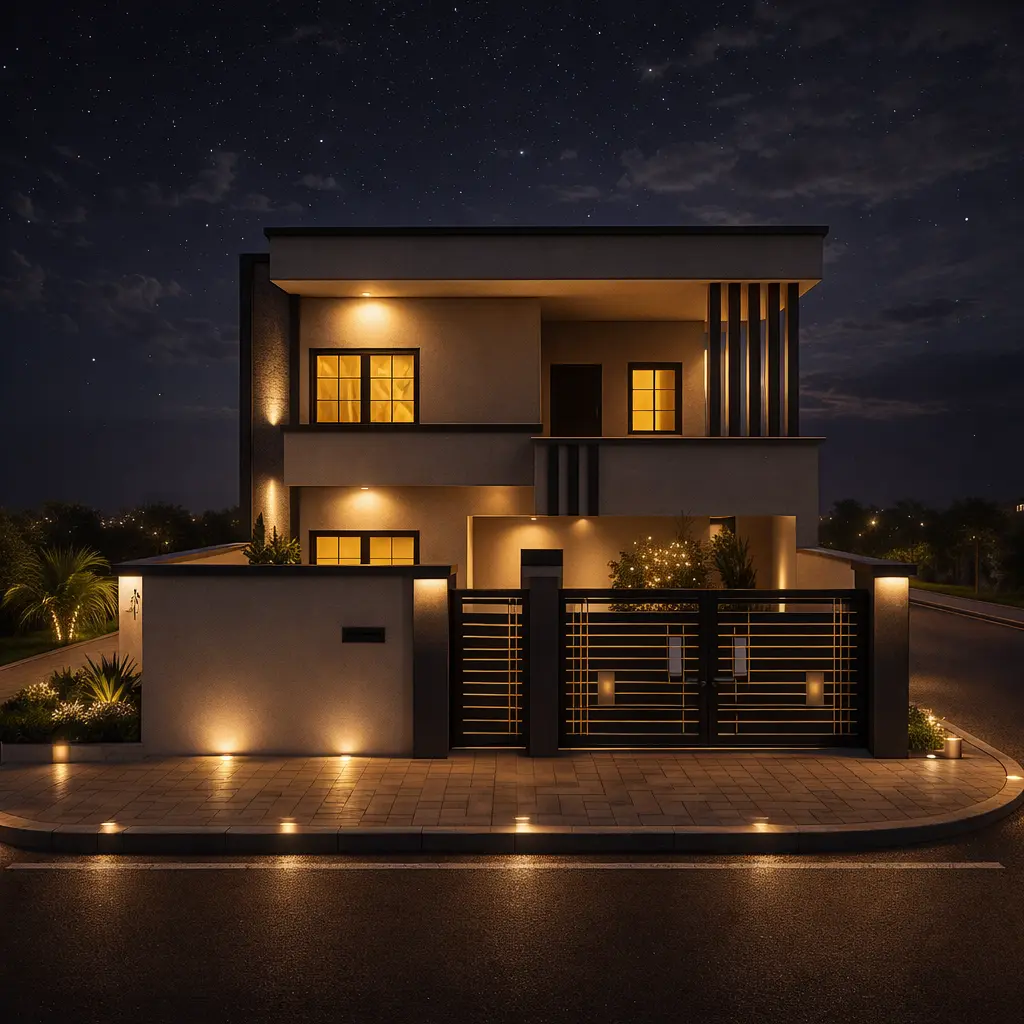
Mr. Fasih – DC Colony, Front Elevation & Interior Renovation Project
This project started with a very common problem we see in Pakistan’s residential construction market. Mr. Fasih, from DC Colony – New Phase, called our office one day and explained that although his house was newly constructed, the front elevation looked dull, outdated, and poorly designed. He wasn’t satisfied at all. From the outside, the house simply did not reflect the value or lifestyle of the family living inside. When he came to our office and showed us the existing photos, the problem became immediately clear. The house had been built using random online inspirations. The original plan was never followed properly. During construction, decisions were made on site using Pinterest images, contractor suggestions, and cost-cutting shortcuts. The result was a structure that was technically complete — but aesthetically confused and visually weak. This is a mistake we see all the time: People save money on architecture and elevation design, but later spend much more trying to fix the damage. Our Approach – From Messy Reality to Clean Architecture We first conducted a complete on-site survey. Every wall, slab, projection, window and beam was carefully measured. Then we recreated the entire built structure in 3D and CAD, so we could redesign the front elevation without breaking anything structurally. Instead of demolishing large portions, we used architectural skin design — reshaping the look using materials, lines, lighting and proportions. The goal was simple: Turn an ordinary, mismatched house into a luxury modern façade. Design Concept – Modern, Elegant & Timeless We selected a warm modern theme with a balance of light and dark tones: Main color: Beige / Creamish White / Cotton-ball tone for elegance and brightness Contrast color: Deep Dark Grey for lines, louvers and architectural frames This color combination gives a high-end contemporary feel without becoming trendy or short-lived. Key Design Elements We Added 1. Travertine Stone Feature We introduced travertine cladding on selected vertical and horizontal planes to give: Texture Luxury Depth Travertine instantly upgrades the value of a façade and gives it a European modern villa look. 2. Front Yard Fountain Feature Instead of wasting the small front yard, we designed a decorative fountain element that: Adds movement Reflects light Creates a welcoming feeling It became a visual focal point when entering the house. 3. Garage Integrated with Architecture The garage was not treated as a dead box. We merged it into the elevation using: Travertine panels Mosaic textures Linear architectural detailing So the garage now looks like a designed space, not a parking hole. 4. Glass Railings & Louvers To keep the elevation light and modern: Glass railings were added on the balcony Vertical louvers were introduced for rhythm, shadow and privacy These elements give the building a luxury contemporary villa feel. 5. Designer Gate with Gold Accents The front gate was redesigned with: Dark matte finish Golden horizontal accents Warm golden LED lighting This creates a premium entrance statement, especially at night. Night Elevation – Where the Magic Happens Special attention was given to architectural lighting: Warm wall washers Gate lights Floor uplights Soft facade illumination At night, the house now looks ten times more expensive than before — glowing softly with a luxury villa presence. From Elevation to Full Interior Project After seeing the transformation of the front elevation, Mr. Fasi was so impressed that he handed over the full interior design to us as well. We then designed: Bedrooms Living areas Kitchen Washrooms Ceilings, lighting, furniture layouts So this project became a complete home transformation by Naqsha Wala. Final Result What started as a badly planned, mismatched elevation became a: ✔ Modern ✔ Elegant ✔ Timeless ✔ High-value architectural home This is exactly what Naksha / Naqsha / Naqshawala specializes in: Taking weak, confused buildings and turning them into beautiful architectural identities.
Project completed on January 15, 2026